Research Overview
The Luna Lab investigates how RNA-binding proteins (RBPs) find and act on their RNA targets inside the cell, and how this process is shaped by subcellular location and changes in cell state. We use positive-sense RNA viruses as model systems, since these viruses depend on hijacking host RBPs to replicate and evade immune detection, giving us a natural window into how these interactions work. Using subcellular RNA profiling and proximity labeling, we map where in the cell RBP:RNA interactions occur and how that location shapes their function. Our goal is to uncover the regulatory logic governing these interactions, providing insight into fundamental RNA biology as well as potential therapeutic targets for viral infection and RBP-related disorders.
In addition, we are committed to training and mentoring the next generation of scientists in biomedical research. We further prioritize scientific outreach efforts at all levels to educate, inform and inspire.
What we’re working on
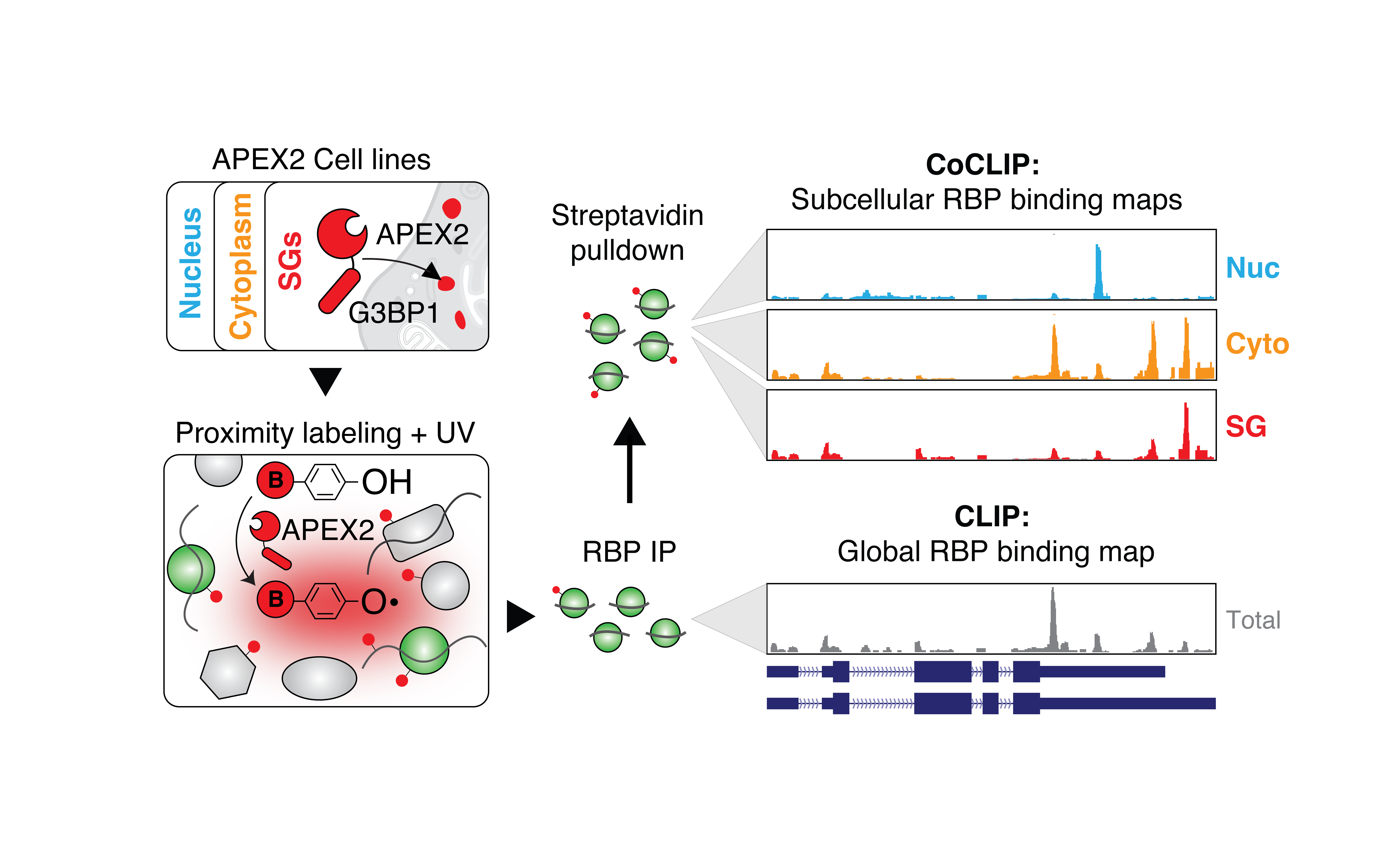
Location and Specificity in RBP:RNA Interactions RNA-binding proteins don’t act the same way everywhere in the cell. We’ve developed new tools that combine sequencing with proximity labeling to capture RBP:RNA interactions with subcellular resolution, revealing how a protein’s targets and behavior can shift depending on where it’s located. This work has also exposed a more basic gap in the field, since unlike binding affinity, RNA-binding specificity has no standard way to be measured. We’re building new quantitative metrics and computational tools to define and compare specificity across RBPs, to ask how specificity itself changes with subcellular location and cellular state.
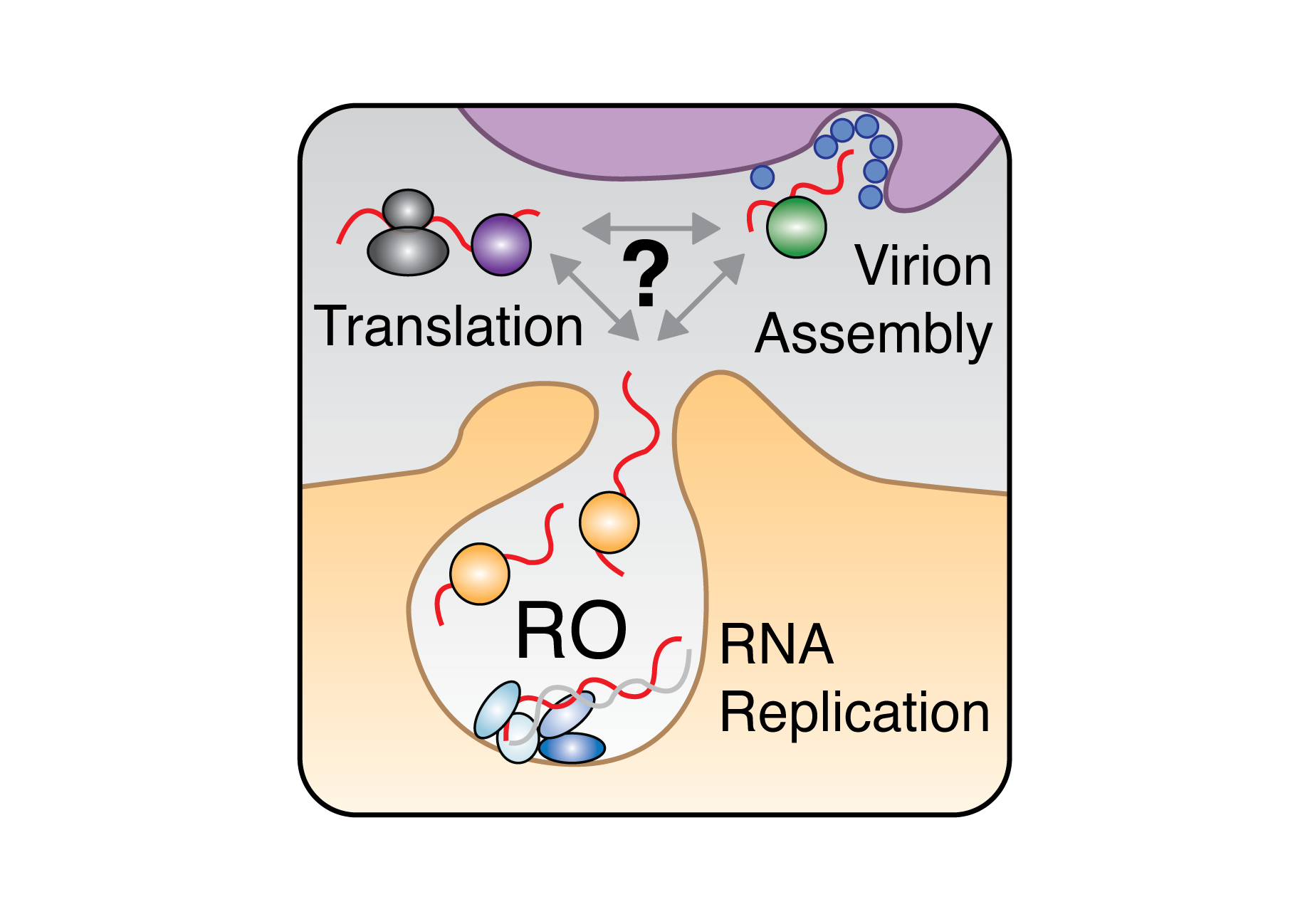
Noncanonical RBPs during Viral Infection: Many proteins bind RNA only under specific conditions, and infection is one of the strongest triggers we know of. Using RNA viruses such as Zika virus and hepatitis C virus as model systems, we’re systematically identifying proteins that gain RNA-binding activity specifically during infection, including many with no previously known role in RNA biology. Our goal is to understand what these noncanonical RNA-binding proteins are doing, why infection recruits them, and what this reveals about how cells reorganize their RNA regulation under stress.